How to Remove Algae From Paths Without Damaging Them
Algae on paths is one of the most common outdoor maintenance problems on the Sunshine Coast. Warm temperatures, high humidity, regular summer storms and plenty of shade from established trees create ideal conditions for green, black and orange growth on concrete, pavers, natural stone and timber. Beyond looking untidy, algae makes surfaces dangerously slippery, especially after rain. This guide explains how to remove it safely, which methods suit each surface, and how to stop it coming back.
Why Algae Thrives on Sunshine Coast Paths
Algae is a simple organism that needs moisture, light and a surface to grow on. Subtropical coastal conditions provide all three for much of the year. Paths that stay damp are especially vulnerable, https://housewashingsunshinecoast.com.au/driveway-cleaning/ including those that are:
- Shaded by trees, fences, patios or the south side of buildings
- Poorly drained, with water pooling in low spots
- Close to garden beds, irrigation sprinklers or downpipes
- Made from porous materials such as unsealed concrete, sandstone or limestone pavers
- Covered in leaf litter, soil or organic debris that holds moisture
Understanding the cause matters because treating only the symptoms means algae will return within weeks or months.
Identify Your Path Surface First
The right treatment depends on what your path is made from. Using an aggressive method on the wrong surface is the most common way people damage paths while trying to clean them.
Concrete
Concrete is durable and tolerates most cleaning methods, but it can still be etched by strong acids or pitted by a high-pressure jet held too close. Exposed aggregate concrete is particularly prone to losing stones if the surface layer is blasted too hard.
Concrete and Clay Pavers
Pavers are strong, but the sand between the joints is easily washed out by high pressure. Losing joint sand allows pavers to shift and encourages weeds and further algae growth.
Natural Stone: Sandstone, Limestone, Travertine and Bluestone
Natural stone is more delicate. Limestone, travertine and sandstone are sensitive to acids and can be stained, etched or eroded. These surfaces call for gentle, pH-appropriate cleaners and low-pressure washing.
Timber Decking and Boardwalk Paths
Timber is soft and easily scarred. High pressure can raise the grain, cause splintering and strip protective coatings. Soft washing and gentle scrubbing are the safer choices.
Tiles and Sealed Surfaces
Glazed outdoor tiles and sealed pavers can handle mild cleaners, but harsh chemicals or abrasive tools may dull or strip the finish.
Safe Methods for Removing Algae
1. Dry Removal and Sweeping
Begin by clearing loose debris, leaves and dirt with a stiff broom. Removing organic matter lets cleaning products reach the algae directly and reduces the nutrients that feed future growth.
2. Gentle Scrubbing With Warm Water and Detergent
For light growth, a bucket of warm water mixed with a mild outdoor detergent and a stiff-bristled (not wire) brush is often enough. Scrub in sections, then rinse thoroughly. This approach is low risk for nearly every surface and suits small areas.
3. Soft Washing
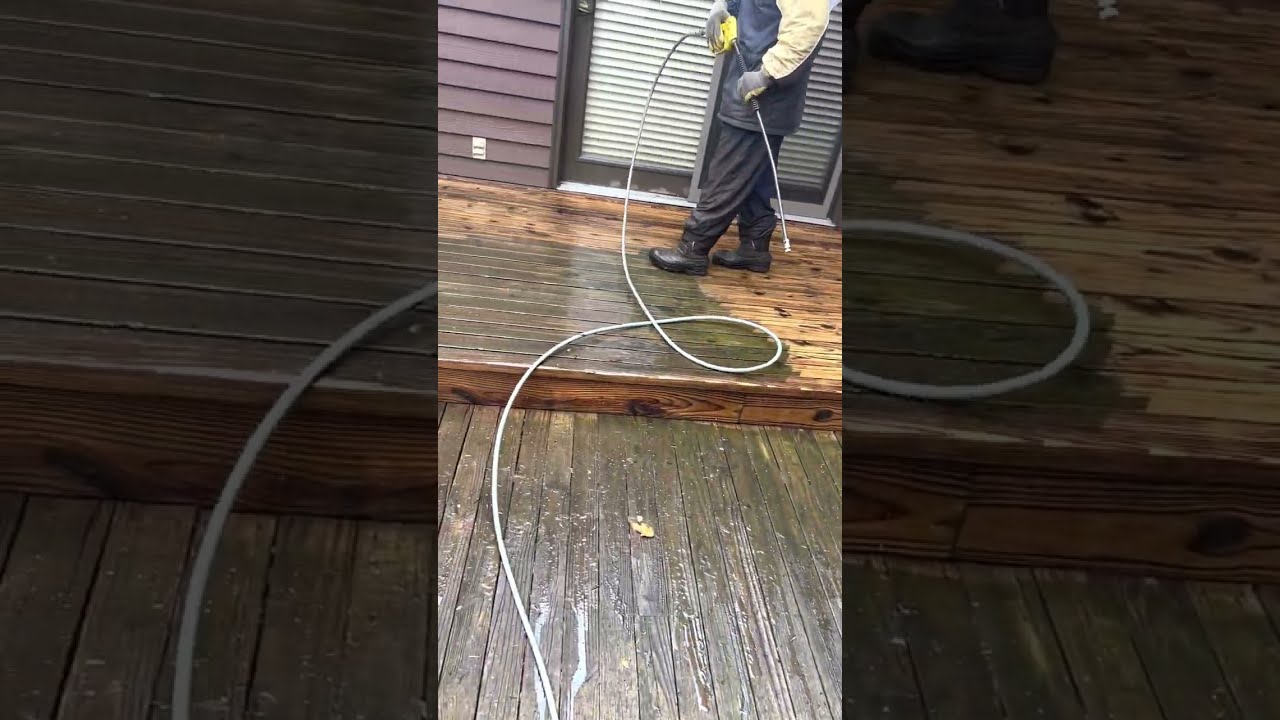
Soft washing uses low pressure combined with a suitable cleaning solution to kill algae at the root rather than blasting it off. It is widely regarded as the best approach for delicate surfaces such as natural stone, timber and older concrete. The treatment works by breaking down the organism so the path stays clean for longer, and it avoids the surface damage caused by high pressure.
4. Pressure Washing, Used Carefully
Pressure washing is effective on sturdy surfaces like standard concrete, but technique matters. To reduce the risk of damage:
- Use a wide fan tip (25 to 40 degrees) rather than a narrow, pinpoint nozzle.
- Keep the nozzle at least 20 to 30 centimetres from the surface.
- Work in even, overlapping passes to avoid stripes and gouges.
- Reduce pressure on older, weathered or exposed aggregate surfaces.
- Avoid directing the jet along paver joints, and re-sand the joints once the surface is dry.
5. Oxygen Bleach Cleaners
Sodium percarbonate based cleaners are a popular option because they break down into oxygen, water and soda ash, making them gentler on surrounding plants than chlorine products. They work well on concrete, pavers and timber. Always follow the manufacturer's dilution instructions and test on a small, hidden area first.
6. Diluted Sodium Hypochlorite
Sodium hypochlorite (the active ingredient in liquid chlorine) is often used by professionals because it kills algae effectively. It can bleach coloured pavers, harm lawns and garden plants, and corrode metal fixtures if misused. Wet nearby plants before and after application, keep runoff away from garden beds, and never mix it with other cleaning products, particularly acids or ammonia-based cleaners, as dangerous gases can be released.
7. Household Options: Vinegar and Baking Soda
White vinegar is sometimes suggested as a natural option. It can help on light growth, but it is an acid and should not be used on limestone, travertine, sandstone or any cement-based surface you want to protect, since it can etch the finish. Baking soda is gentler, though less effective on established algae.
Step-by-Step Process for Cleaning a Path Safely
- Sweep the path and remove leaves, soil and loose debris.
- Wet surrounding plants and lawn to dilute any accidental overspray or runoff.
- Test your chosen cleaner on a small inconspicuous patch and wait for the result.
- Apply the cleaner evenly, working in manageable sections so it does not dry on the surface.
- Allow the recommended contact time, usually 10 to 20 minutes, without letting it dry.
- Scrub stubborn areas with a soft or medium bristle brush.
- Rinse thoroughly with clean water, using low to moderate pressure.
- Let the surface dry fully, then re-sand paver joints and consider sealing if appropriate.
What to Avoid
- Undiluted bleach or pool chlorine: It can discolour surfaces, kill plants and harm local waterways.
- Hydrochloric (muriatic) acid: It is overly aggressive for most algae jobs and can permanently etch concrete and stone.
- Wire brushes: They leave scratches and can embed metal particles that later rust.
- Close-range, high-pressure blasting: It can scar surfaces, remove sealers and strip joint sand.
- Cleaning in direct, hot sun: Products dry too quickly and may leave streaks or uneven results.
Protecting Local Waterways and Gardens
The Sunshine Coast is home to creeks, wetlands, canals and coastal waterways, and stormwater drains typically flow untreated into them. Avoid letting cleaning runoff, particularly chlorine-based or detergent-heavy water, wash into gutters and drains. Where possible, direct rinse water onto lawn or garden areas that can absorb it (after diluting), or collect it using a wet vacuum or a washdown mat system. Choose biodegradable products when you can, and check current Sunshine Coast Council guidance on stormwater and washdown practices, since requirements and recommendations can change.
Preventing Algae From Returning
Cleaning is only half the job. Prevention keeps paths safer and reduces how often you need to clean.
Improve Drainage and Airflow
Fix low spots where water collects, clear blocked drains and redirect downpipes and sprinklers away from paths. Trim back overhanging branches and dense shrubs to let in more sunlight and airflow so surfaces dry faster.
Seal Porous Surfaces
A quality penetrating sealer reduces moisture absorption on concrete, pavers and natural stone, making it harder for algae to take hold. Sealing also makes future cleaning easier. Reapply according to the product's recommendations, commonly every few years depending on exposure and foot traffic.
Maintain a Regular Cleaning Schedule
Light, regular maintenance is easier and gentler on surfaces than waiting for heavy growth. In shaded, damp areas, a quick sweep and periodic wash-down each season can prevent build-up. Many Sunshine Coast homeowners find that an annual deep clean before the wetter summer months is a good rhythm.

Consider Algae-Inhibiting Treatments
Some products are designed to be applied after cleaning to slow regrowth. These are often used on shaded paths, roofs and fences. Check that any product you choose is suitable for your surface and safe for nearby plants and pets.
Safety Considerations
Wet algae is extremely slippery, so wear non-slip footwear while working. Protect yourself with gloves, eye protection and, when using chemicals, appropriate clothing. Keep children and pets off treated areas until they are rinsed and dry, and store products securely in their original containers. Be careful when working on sloped paths, steps and areas near pools, where a slip can lead to serious injury.
When to Call a Professional
DIY cleaning suits small, straightforward jobs, but professional help is worth considering when:
The path is large, steep or difficult to access; the surface is delicate natural stone or aged timber; algae has penetrated deeply or returned repeatedly; there are heritage or high-value finishes; or you are unsure which products are safe for the surface and surrounding landscape. Professionals have commercial-grade equipment, can adjust pressure and chemistry to the material, and are familiar with local conditions and environmental responsibilities.
Final Thoughts
Removing algae from paths does not require harsh methods that risk permanent damage. By identifying your surface, choosing a suitable cleaning approach, controlling runoff and addressing the moisture and shade that encourage growth, you can restore your paths and keep them safer for years. In the humid Sunshine Coast climate, combining gentle cleaning with good drainage, sealing and regular upkeep is the most reliable way to keep paths clean, slip-resistant and looking their best in 2026 and beyond.
House Washing Sunshine Coast
(07) 5241 4915